
Introduction to Citizen Science
What is citizen science?
What if anyone could help scientists answer important questions about the environment? Citizen, or community, science makes this possible. It involves members of the public taking part in real research – whether that be collecting specimens or documenting observations, sharing local knowledge, analysing information, or monitoring the environment… this all helps researchers and conservationists better understand what’s going on - in our case, in the marine environment.
Who can take part?
One of the most exciting things about citizen science is how accessible it is! Anyone can take part. You don't even need to be a trained scientist to contribute. All you need to do, is let us know when you’ve had an encounter with a shark or ray, or when you’ve found a mermaid’s purse along the shoreline, and these observations can become valuable information. One record alone might not seem like a lot, but the more people contribute, the more this information builds to become data.
Why does citizen science matter?
Public participation means we get information from across wider geographic areas where researchers might not be able to get to. It also drastically increases the number of hours that are spent observing changes or occurrences of species presence. We would never be able to cover the whole of the British coastline for eggcases washing ashore without the help of our dedicated citizen scientists! You do the finding, and we’ll do the analysing.
It’s a win-win situation. Volunteers provide huge quantities of observations and help conservationists and researchers better understand patterns of species distribution. For participants, citizen science provides an opportunity to learn more about science, upskill their species identification and contribute to research that can have a real benefit to conservation. In addition to this, citizen science can strengthen connections between people and their local environment – with the added bonus that being outside immersed in nature has huge benefits to mental health and wellbeing.
What’s the process?
1. Choose a project – whether the Great Eggcase Hunt, Shark Log or Basking Shark Project, find a project that interests you and learn what information is needed.
2. Take part - follow the project's guidance.
3. Submit your results - share your observations through the Shark Trust’s Recording Hub or app.
4. Data approval – we’ll check and approve records, while conducting quality control checks. We’ll then analyse data before making datasets available for researchers and decision-makers to use.
5. Discover and learn - results can help improve our understanding of shark, skate and ray populations and where possible. Check out project report updates and the interactive results dashboards to find out what else has been recorded.
Get involved!
You might find a single eggcase on the beach by chance and record that, you might set out a longer survey and actively search for a set length/time, or you might regularly survey your local patch. Every sighting or observation counts – you just need to let us know about it!.
In this section
-
Great Eggcase Hunt
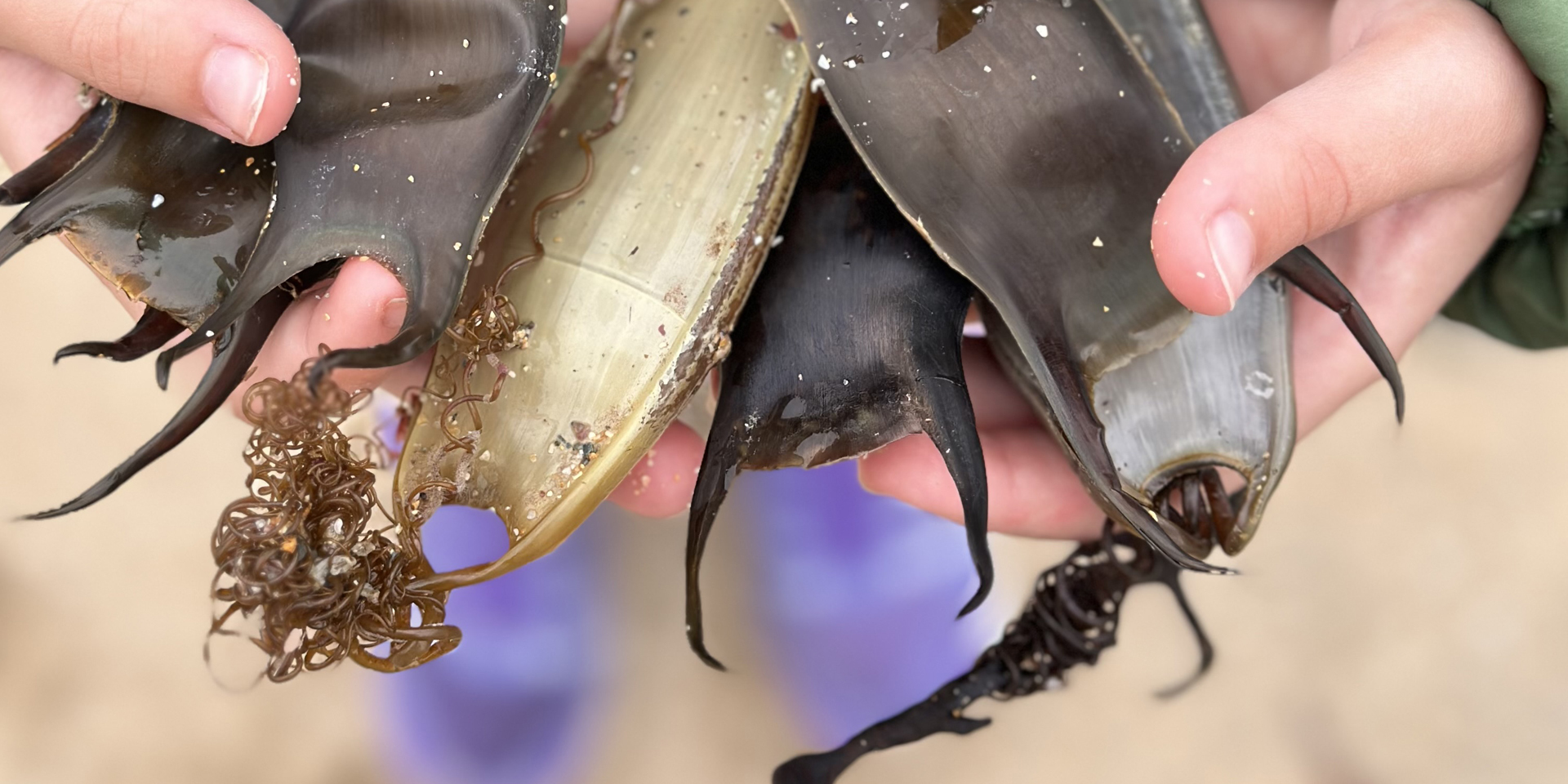
Want to help shark and ray conservation? Take part in the Shark Trust Great Eggcase Hunt. Find and record eggcases that have washed up on the beach. Eggcase hunting is great fun for all ages!
-
Basking Shark Project
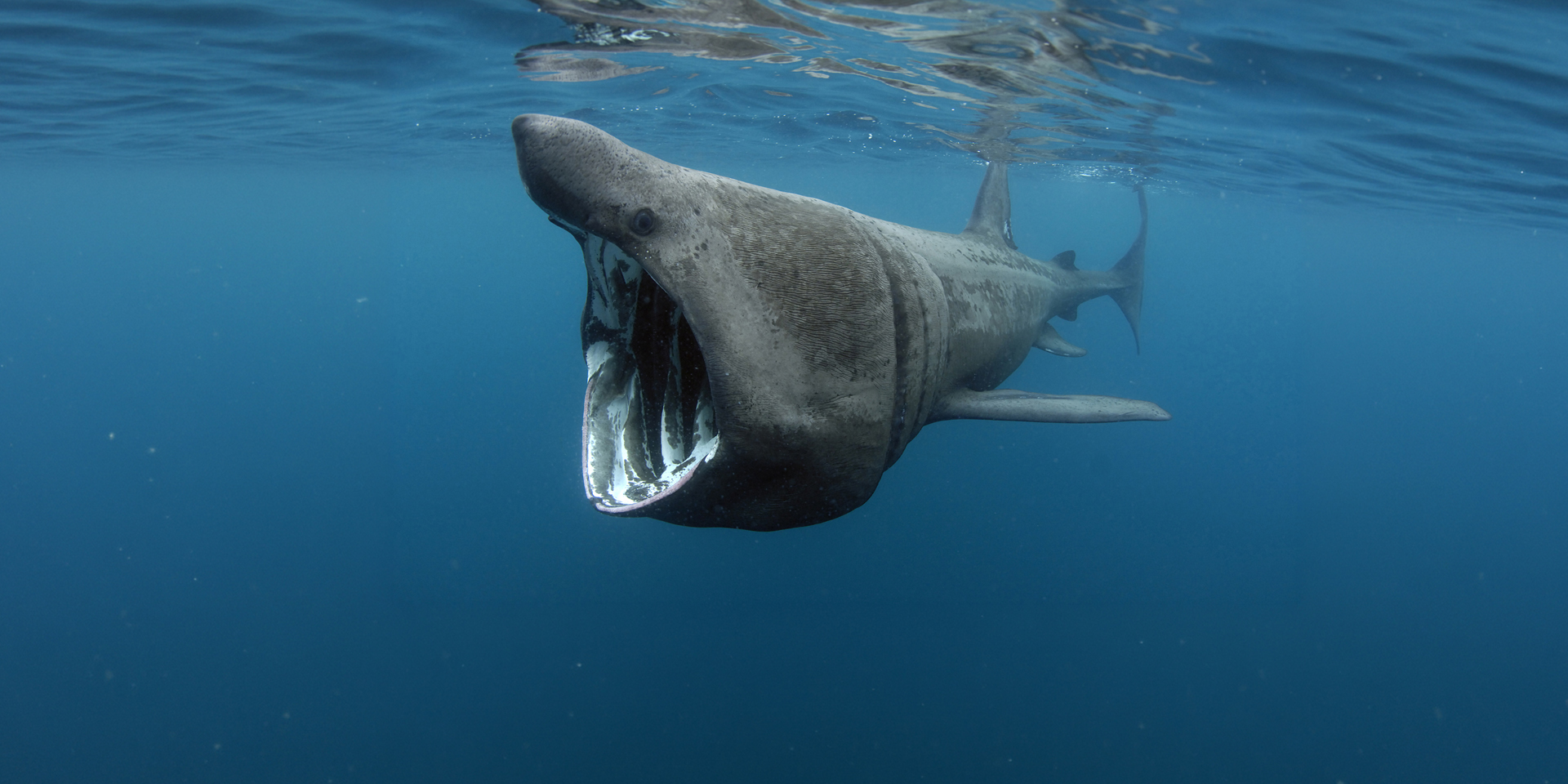
Help us learn more about these gentle giants by keeping a look-out for them during May-October. If you spot one, record your sighting to our Shark Sightings Database.
-
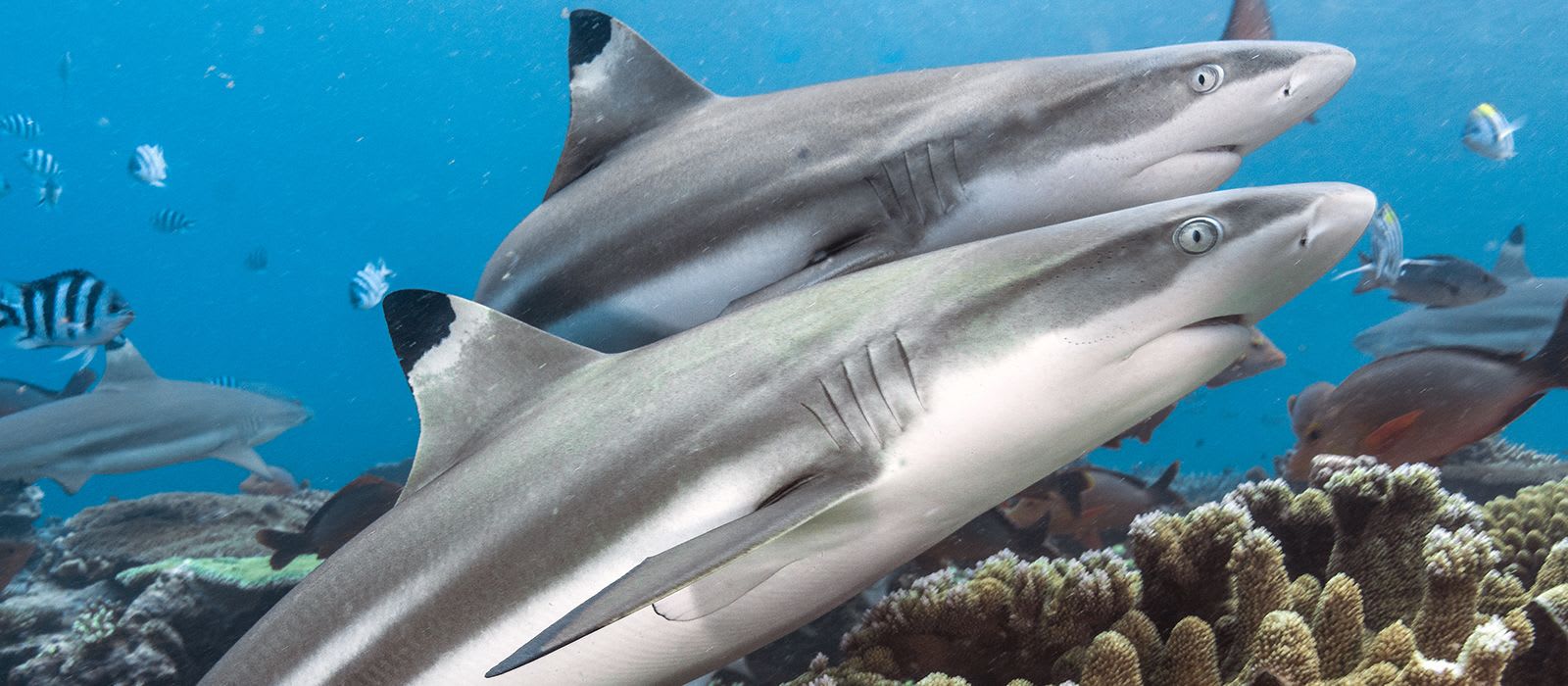
Shark Log - The Shark Sightings Database
Help us learn more about sharks, skates and rays around the world by recording your sighting(s) to our Shark Log - Shark Sightings Database.