1. New Angel Shark Species Identified in Panama (opens in a new tab)

    sciencedaily.com

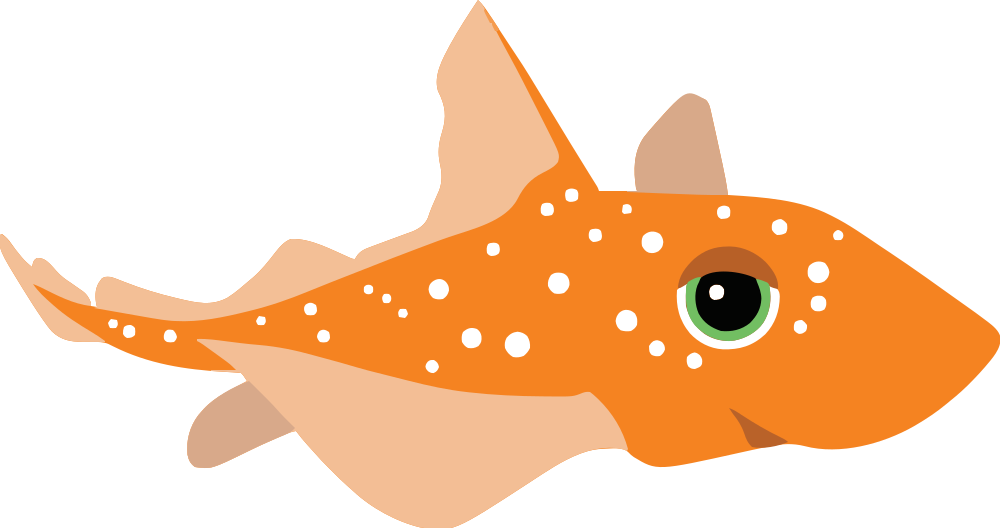
    Scientists have identified a new species of angel shark found on the upper continental slope off the Caribbean coast of Panamá. Distinguishing characteristics and genetic analysis helped to separate Squatina mapama from Squatina david, a closely related species also found in the region. This makes Squatina mapama the fourth new angel shark species to be identified in the Western Atlantic in the last decade. For the full paper visit here.

  2. Tiger Shark Migration Routes Altered by Climate Change (opens in a new tab)

    oceanographicmagazine.com

    A recent study by a team of scientists from University of Miami has revealed warming ocean temperatures is altering the timings and locations of Tiger Shark migration in the Northwest Atlantic. Analysis of satellite tagging and environmental data over the span of nine years uncovered a poleward expansion in migration patterns. These findings have implications for the conservation of this Near Threatened shark.

  3. Protecting Shark Populations in South Africa (opens in a new tab)

    forbes.com

    With 191 species of shark, skate, ray, and chimaera found in its waters, South Africa is rightly known as a hot spot for cartilaginous fishes. With over 30% of these sharks threatened with extinction, researchers and local communities are joining together to find more effective ways of conserving shark populations. Including the development of Marine Protected Areas (MPA). Find out more about the benefits, and challenges of utilising MPAs to protect sharks and rays in the Western Cape.

  4. Behind the Science of Shark Conservation (opens in a new tab)

    therevelator.org

    Ever wondered what goes into a global assessment of over 1,000 species of shark and ray? An astonishing amount of knowledge, expertise, and teamwork that’s what! Many will be familiar with the recent report that revealed a staggering 1/3 of all shark and ray species are now threatened with extinction. But just what does it take to gather and analyse the data needed to assess this many species, and through a pandemic? Three hundred and fifty-three experts from more than 70 countries were involved in gathering and analysing data for 1,199 species. Local experts were involved from every country and region discussed, facilitating long-term collaborations that perhaps would not have developed otherwise. The process took over five years, beginning with in person workshops and ending with online meetings. Whilst shocking, the results from this intense and comprehensive study puts sharks on the IUCN Red List Index for the first time and in front of policymakers.

Make waves from your inbox

Sign up for the latest shark news, campaigns and simple ways to help, delivered straight to you.